Built From Conversations in the Field, Not Just at a Desk
GreenTrack began in June 2026 as a student project — a collaboration between our team at KCA University and Jomo Kenyatta University of Agriculture and Technology (JKUAT), together with JHUB Africa.
Mission: Reconnect people with the origin of their food.
GreenTrack is a farm-to-table traceability platform — a record that starts the day a seed goes into the ground and doesn't stop until the plate reaches a table. For growers, it's a plot manager: GPS-pinned plots, irrigation logs, and photo-based pest diagnosis. For everyone downstream — a buyer in a market aisle, a chef checking a delivery, a diner scanning a table tag — it's meant to become a single QR code that answers questions about where their food actually came from.
We're not trying to replace the relationship between a grower and the people who eat what they grow. We're trying to give that relationship something it rarely has: a record neither side has to take entirely on faith.
Before writing a line of that record, we went and stood in it — visiting growers around Subukia, Kenya, to see how the app actually holds up on a real plot, in someone's hands. Read what came out of those visits in the Journal.
How a single crate is meant to move from plot to plate
Plots the plot, logs the season
Pins a plot by GPS, logs irrigation as it happens, and works through a pre-harvest safety countdown before a harvest can be recorded at all.
Scans instead of guessing
A shopper unsure what a "fresh" label really means can scan the tag and see the farm and route behind it.
Checks a delivery before it enters the kitchen
Instead of trusting a supplier's word alone, a crate's scan confirms when it was picked and what, if anything, it was treated with.
Gets more than a menu description
A table tag is meant to turn into a nutrient and freshness breakdown for whoever's eating the plate in front of them.
A Few Crops Along the Way
A mix of field photography from our own research and representative imagery of Kenyan agriculture.
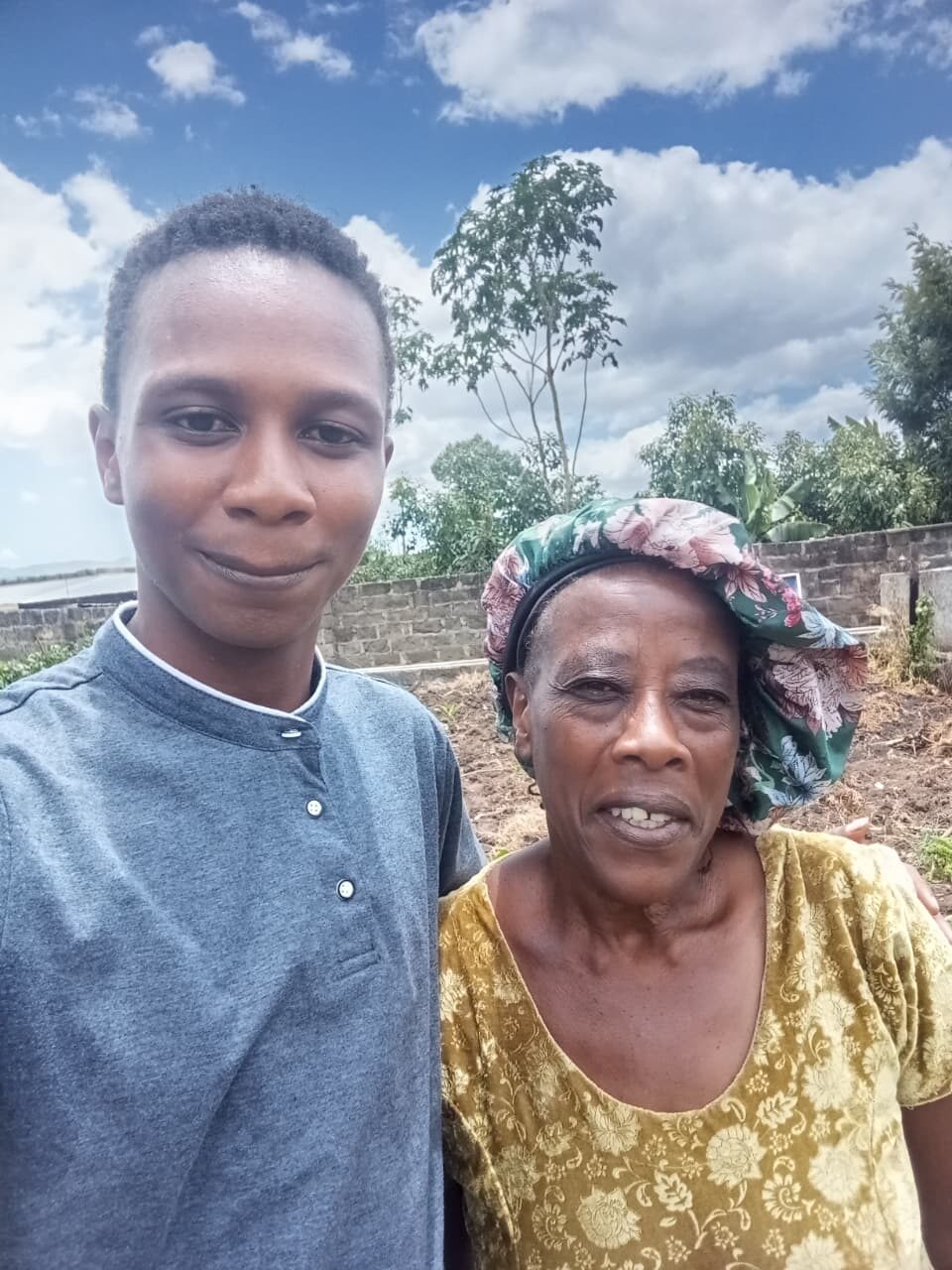 Erah Chomba, grower — Subukia
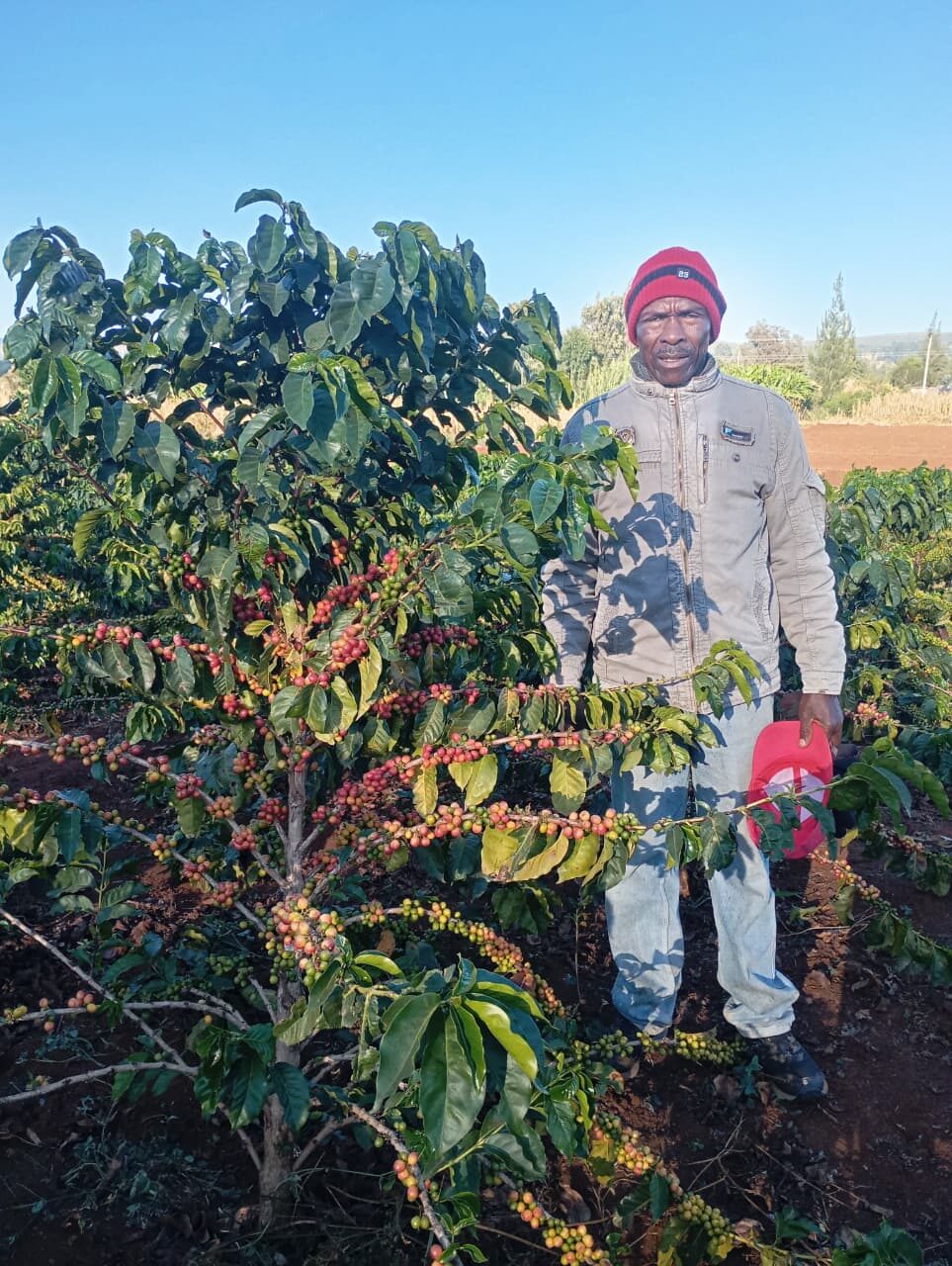 Jonathan Chomba, coffee farmer
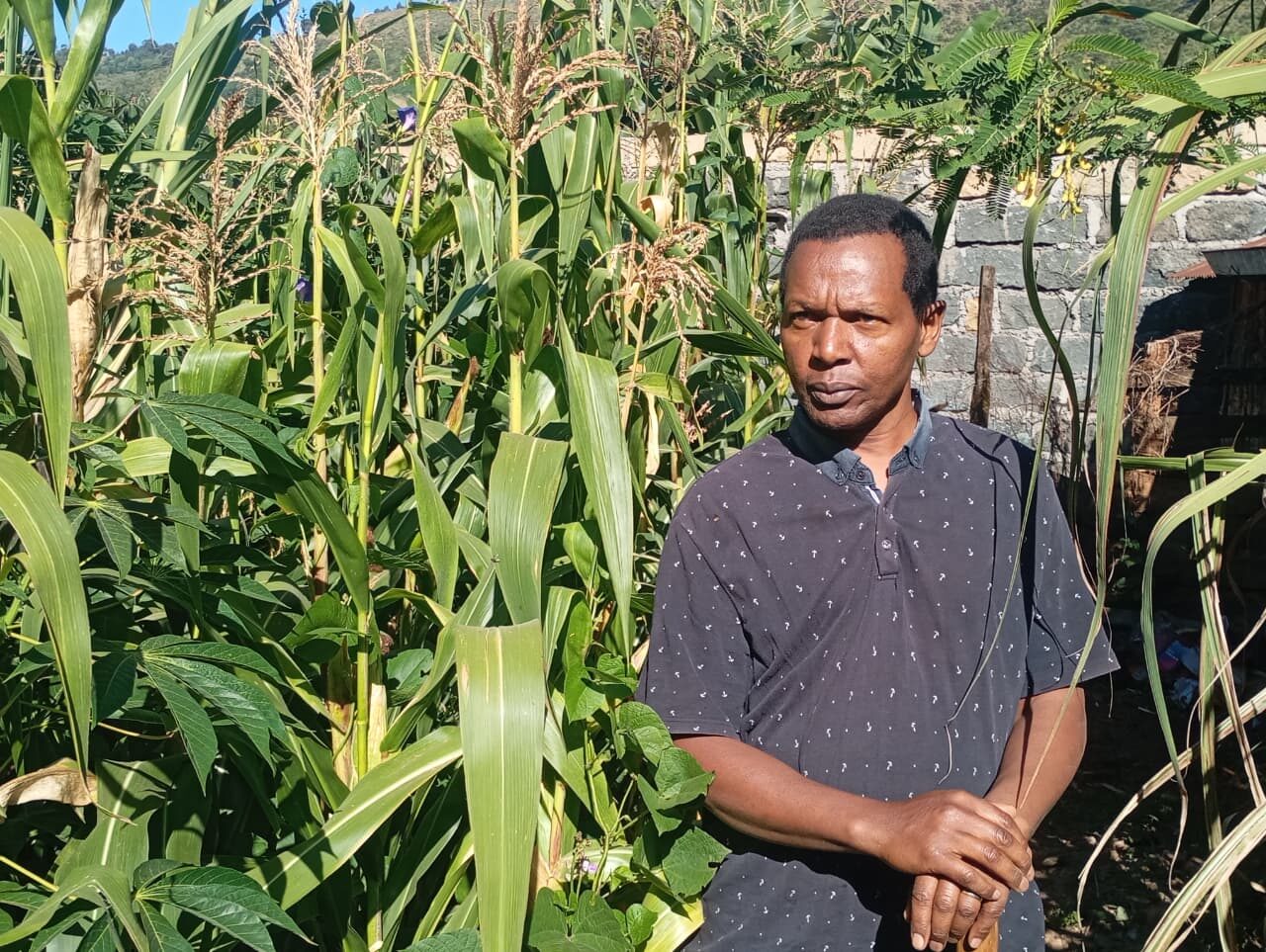 John Maina, farmer — Subukia
Kenyan tea country
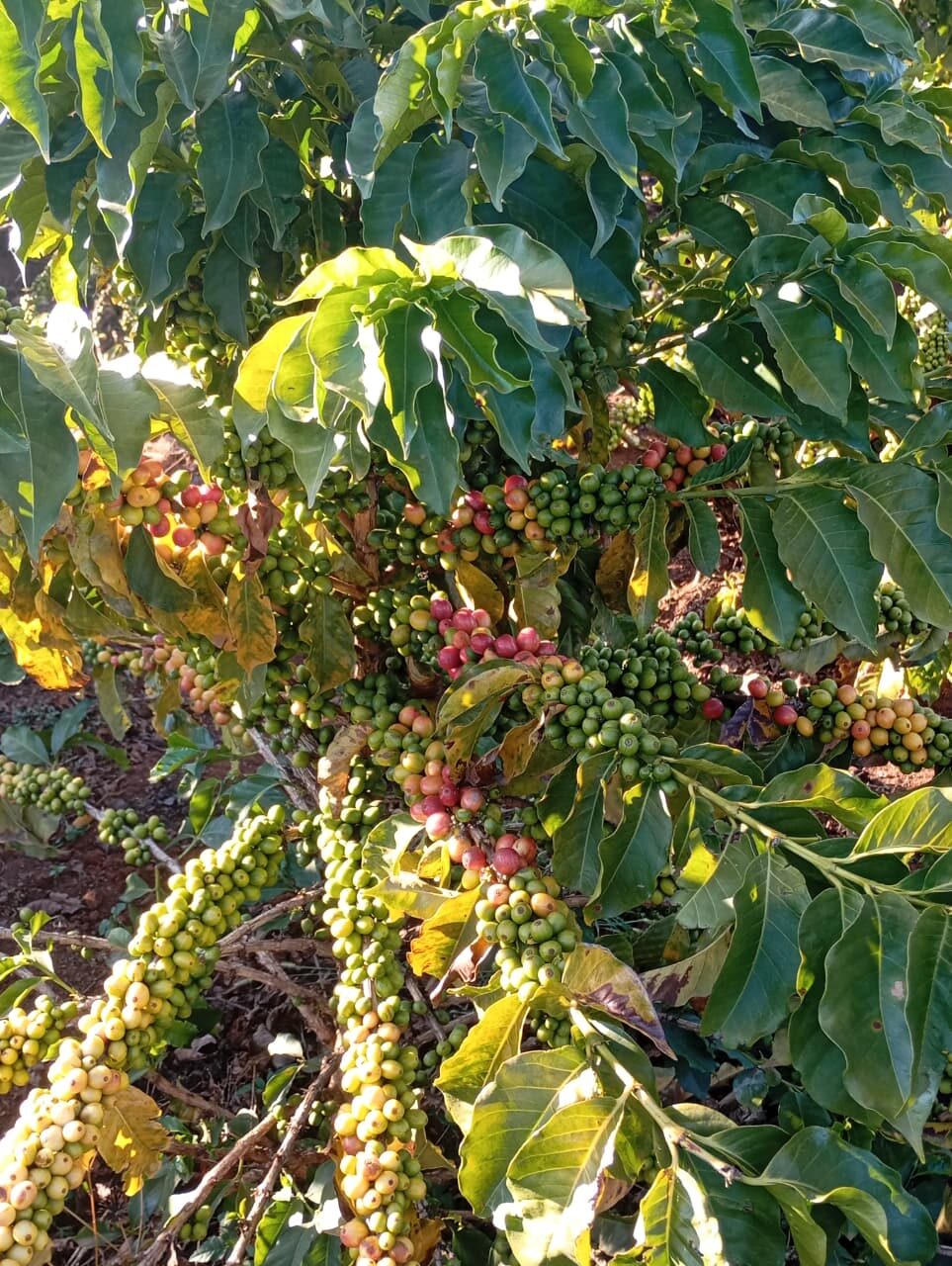 Coffee cherries, Subukia
A Kenyan produce market
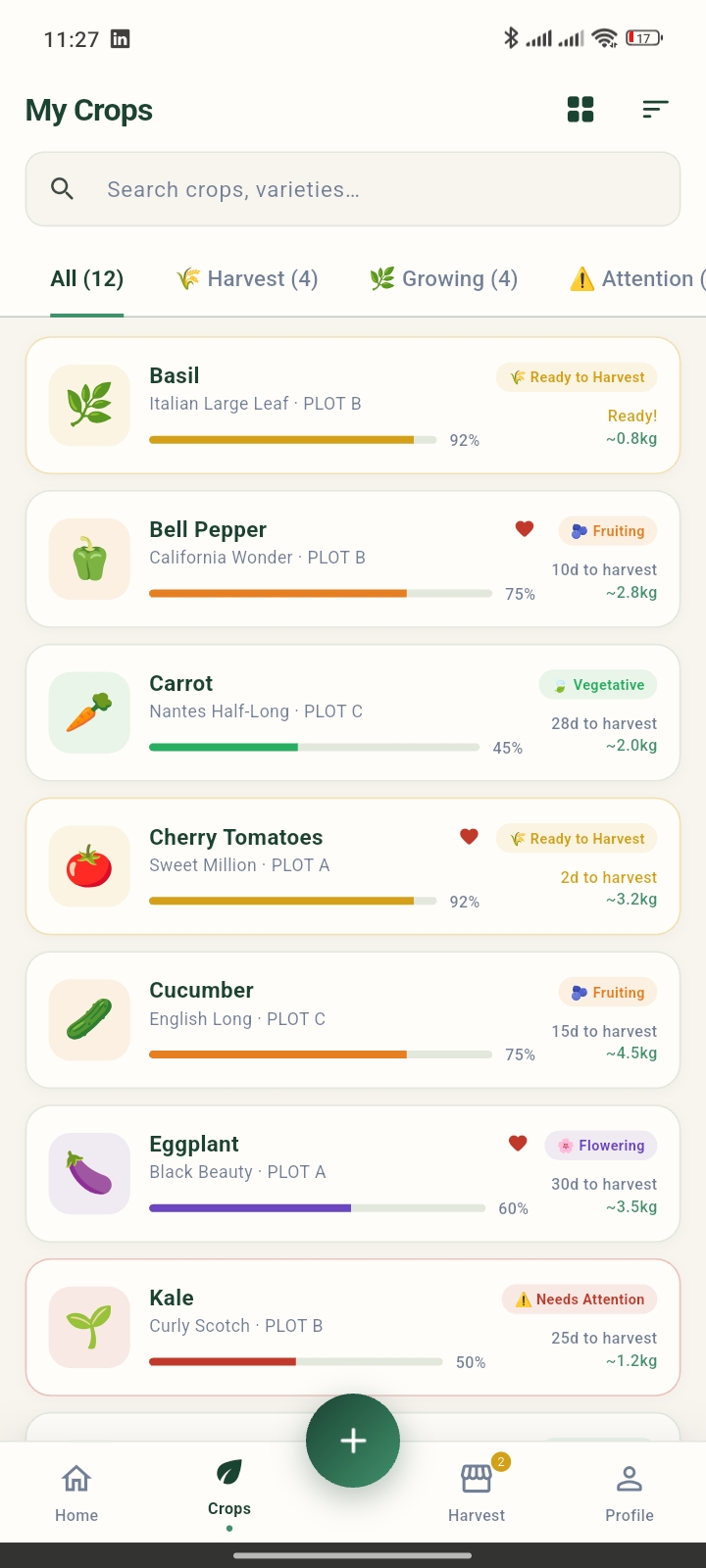 The app, in the field
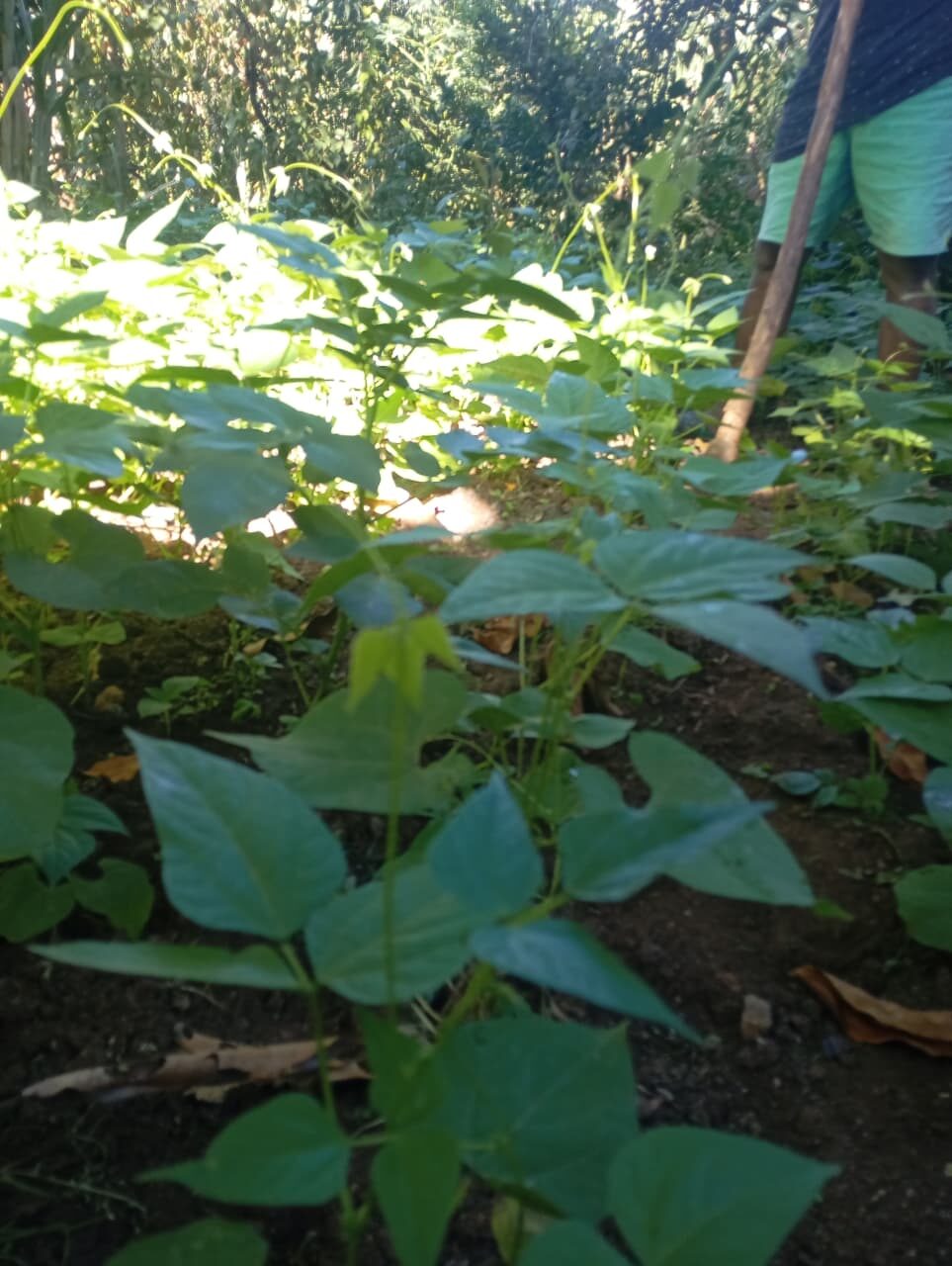
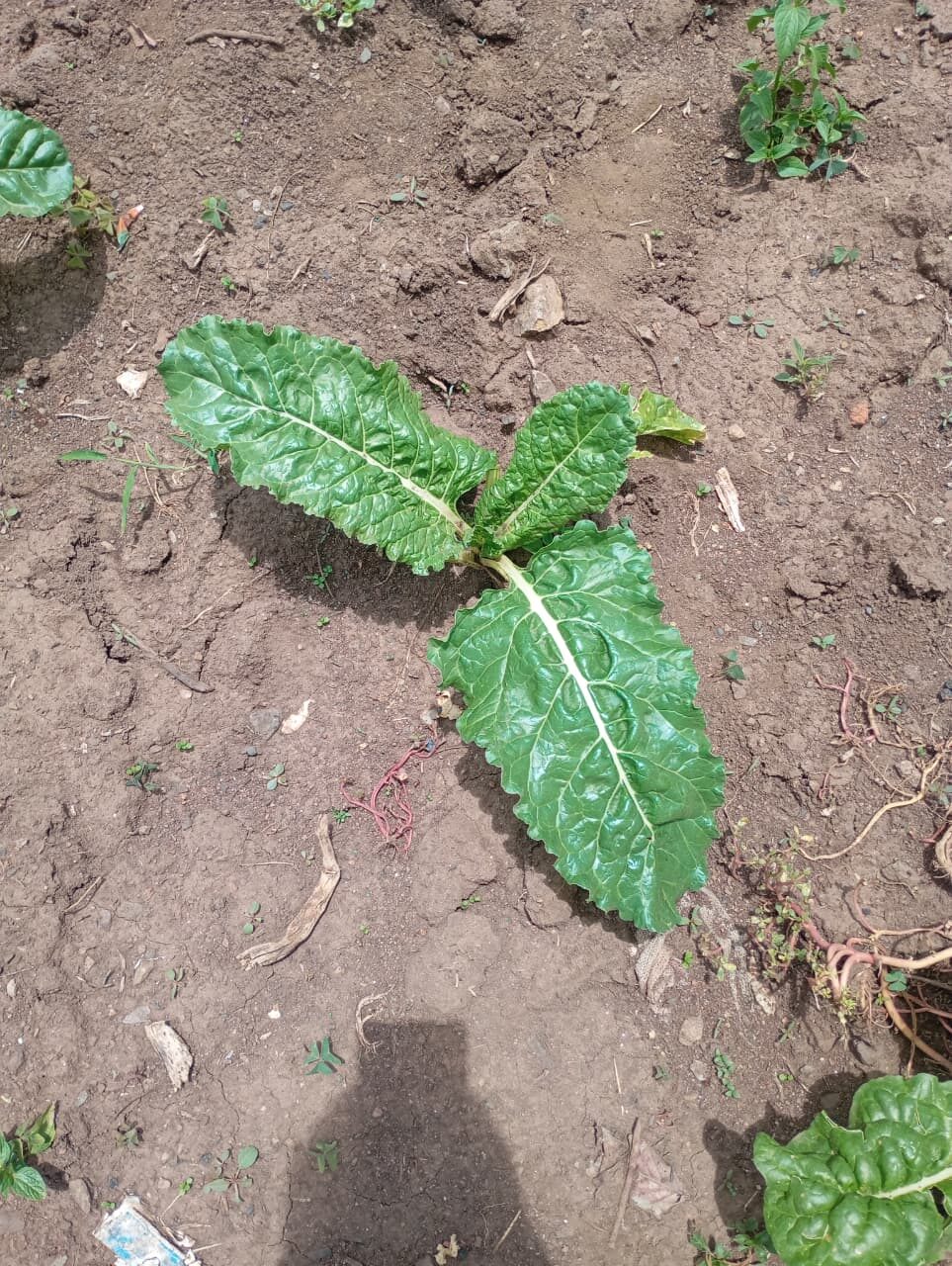 Spinach, early growth
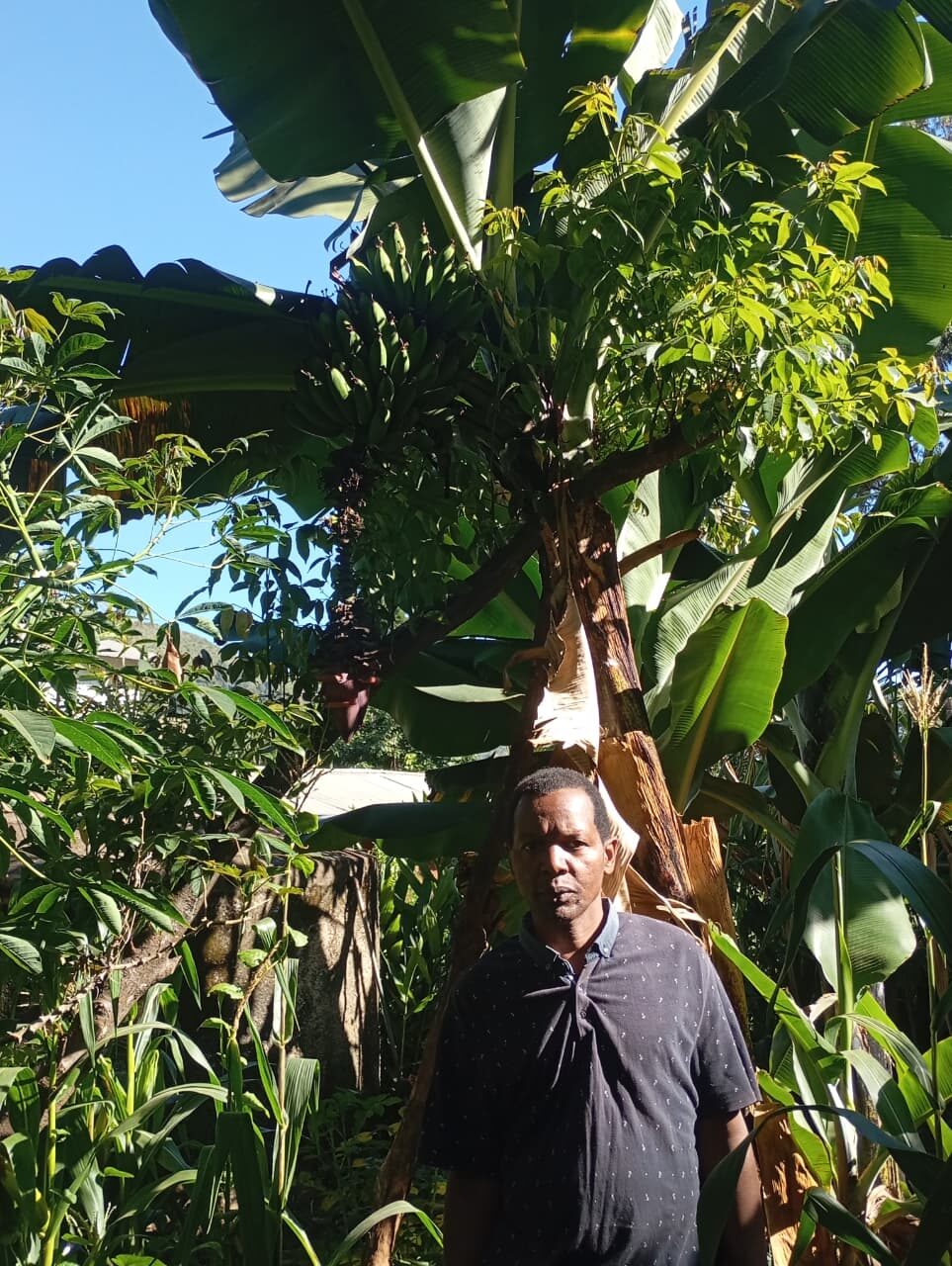 John's banana tree, Subukia
 Coffee rows, Subukia
What "verified" is meant to mean on a GreenTrack tag
The intent behind a batch tag is that it only appears after four things happen in order: a plot is GPS-pinned, irrigation and any treatment are logged as they happen, a pre-harvest safety interval clears on its own countdown, and a harvest weight is recorded.
We hold the stories in our Journal to a similar bar: we don't publish an interview or a photograph as fieldwork unless it comes from a real visit we made, with the person's knowledge and, where documented, their written consent.
Everyone at the other end of the QR code
Real accounts from real field visits — read the full editorial line-up in the Journal.
Erah Chomba, growerBeyond the Harvest: What Erah Chomba Needed GreenTrack to Do Next
Spinach, cabbages, and a usability lesson that reshaped how GreenTrack thinks about market access.
Read the story →Jonathan Chomba, coffee farmerJonathan Chomba: Following the Journey of a Coffee Bean
From the farm to the mill and eventually the market, Jonathan's coffee journey shows why every harvest carries a story.
Read the story →John Maina, farmerWhat John Maina's Three Crops Have in Common
Maize, ginger and banana on one plot — and the same market-price problem waiting at the end of each harvest.
Read the story →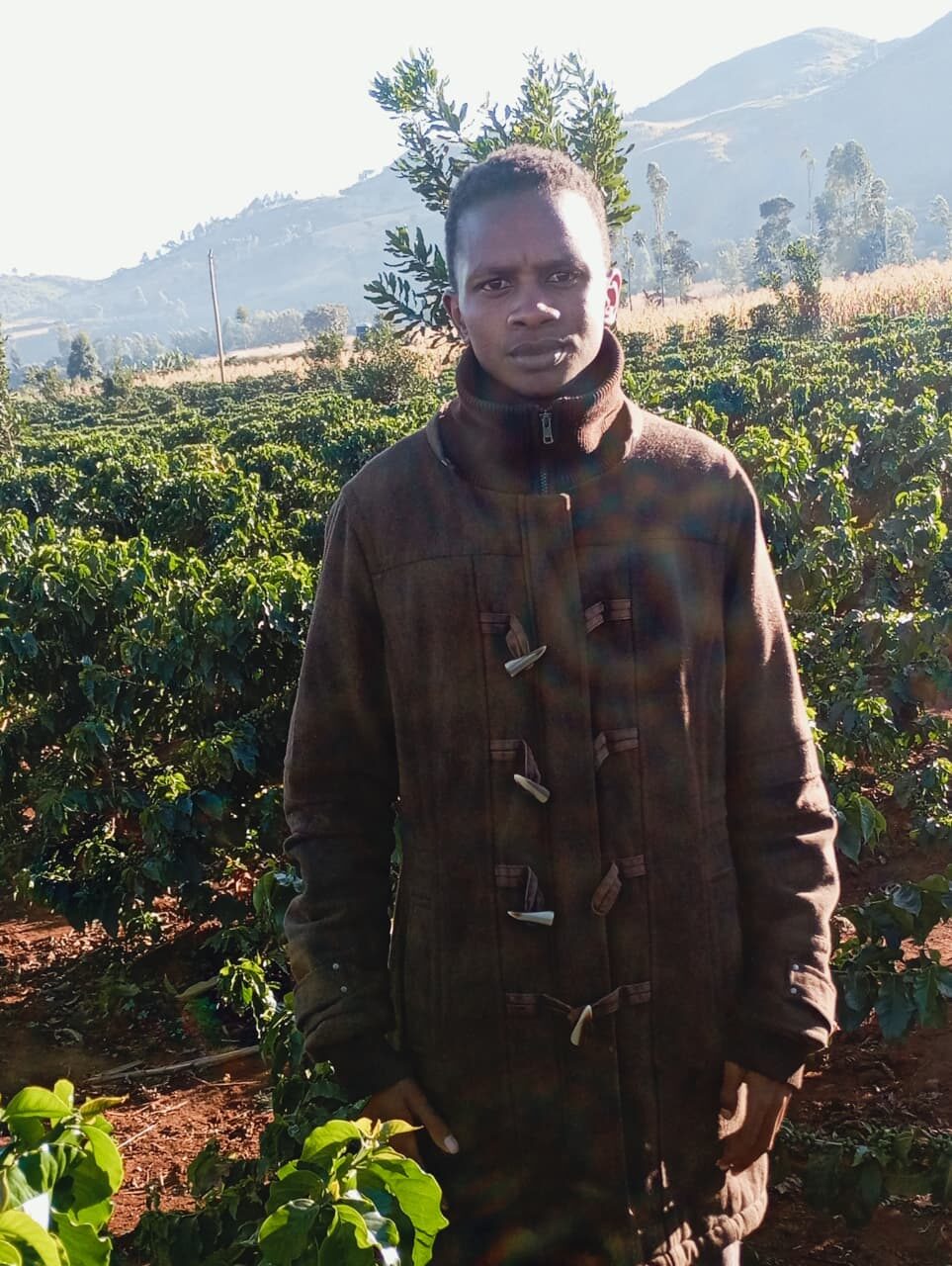 The GreenTrack Journal
Every Story We've Filed From the Field
Farmers, and the people they sell to — the full, real archive.
Browse the Journal →